
Meditation Beyond the Brain

Episode Overview
Meditation is often discussed as a tool for relaxing the mind. But its effects may extend far beyond stress reduction, influencing the heart, nervous system, bodily awareness, and even the way we experience the self.
In this episode of the FitMind Podcast, neuroscientist Idil Sezer joins Josh to explore what contemplative science is revealing about meditation throughout the brain and body. Idil explains how studies across different meditation traditions have found changes in systems associated with attention, emotional regulation, pain, and self-referential thinking. She also discusses intriguing cardiovascular patterns observed during advanced meditation and what brain–heart communication may reveal about deep relaxation and absorption.
The conversation examines an important distinction between long-term meditators, who are defined primarily by the duration of their practice, and advanced meditators, who have developed particular levels of meditative mastery. Idil describes why these abilities may not develop in a linear relationship with time and how studying advanced practitioners could open a new phase of meditation research.
Josh and Idil also explore how virtual reality is being used to investigate the bodily foundations of the self. By changing perspective, body ownership, movement, and self-location within virtual environments, researchers can examine how stable our ordinary sense of embodiment really is. These experiments may eventually help scientists better understand nondual awareness, consciousness, and what remains when our familiar ideas about the self begin to dissolve.
About the Guest
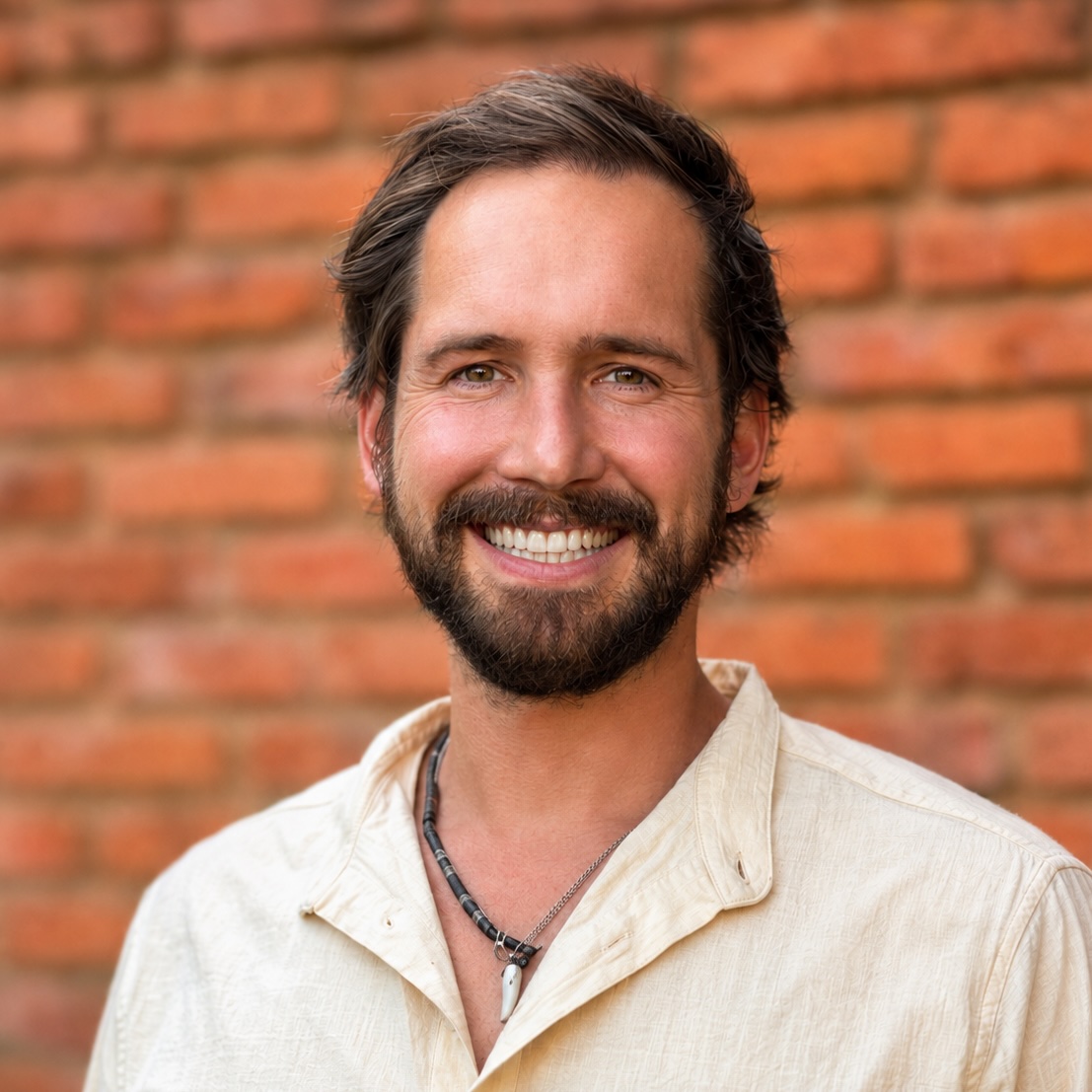
Idil Sezer, PhD, is a neuroscientist and postdoctoral researcher in Olaf Blanke’s Laboratory of Cognitive Neuroscience at EPFL. She holds a dual research-industry PhD in neuroscience from Sorbonne University, completed through the Paris Brain Institute and Healthy Mind, and is an affiliated researcher with the Meditation Research Program at Harvard Medical School. Her work combines virtual reality, EEG, brain–heart measurements, and behavioral research to study meditation, neuropsychiatric symptoms, bodily self-consciousness, and the neural foundations of the self.
Show Notes
0:00 | Introducing Idil Sezer, PhD
2:11 | From Clinical Neuroscience to Meditation Research
3:58 | Why Meditation Is a Unique Tool for Training the Mind
5:21 | Meditation Beyond Relaxation and Performance
7:27 | What Different Meditation Traditions Change in the Brain
10:03 | The Nervous System and Meditation’s Effects on the Heart
11:01 | Cardiac Spectral Peaks in Advanced Meditators
16:54 | Brain–Heart Communication and Holistic Neuroscience
18:13 | Long-Term vs. Advanced Meditators
20:25 | Mental Health, Pain Relief, and Neuroprotection
22:09 | Meditation, Gut Health, Epigenetics, and Cellular Memory
28:23 | Predicting Who Responds to VR Anxiety Interventions
38:17 | Using Virtual Reality to Investigate the Sense of Self
44:21 | Nondual Awareness and the Future of Meditation Research
49:22 | Finding the Meditation Practice That Works for You