
The Future of Meditation: AI, Neurofeedback, & VR

Episode Overview
In this episode, researcher and author Steve Haberlin, PhD explores how emerging technologies like neurofeedback, virtual reality, and AI are reshaping the way we learn and practice meditation. Drawing on decades of personal experience and current research, he explains how these tools provide real-time feedback, immersive environments, and increasing levels of personalization that may help more people engage with and sustain a practice.
We discuss why most meditation app users stop within the first month, and how a lack of feedback, guidance, and community can make it difficult to stay consistent. Haberlin describes how neurofeedback devices allow beginners to see and adjust their mental states in real time, and how virtual reality can create a stronger sense of presence by reducing distraction and simulating supportive environments.
The conversation also explores the role of AI in meditation, from personalized guidance to the possibility of highly adaptive “digital teachers” that respond to individual needs and patterns over time. We examine why different meditation techniques produce different effects on the brain, and how greater personalization may help people find approaches that actually work for them.
This episode offers a grounded look at the future of mental training, emphasizing the importance of balancing technological innovation with the depth and wisdom of traditional contemplative practice.
P.S. — If you’re serious about starting or deepening your meditation practice, check out the FitMind meditation app.
About the Guest
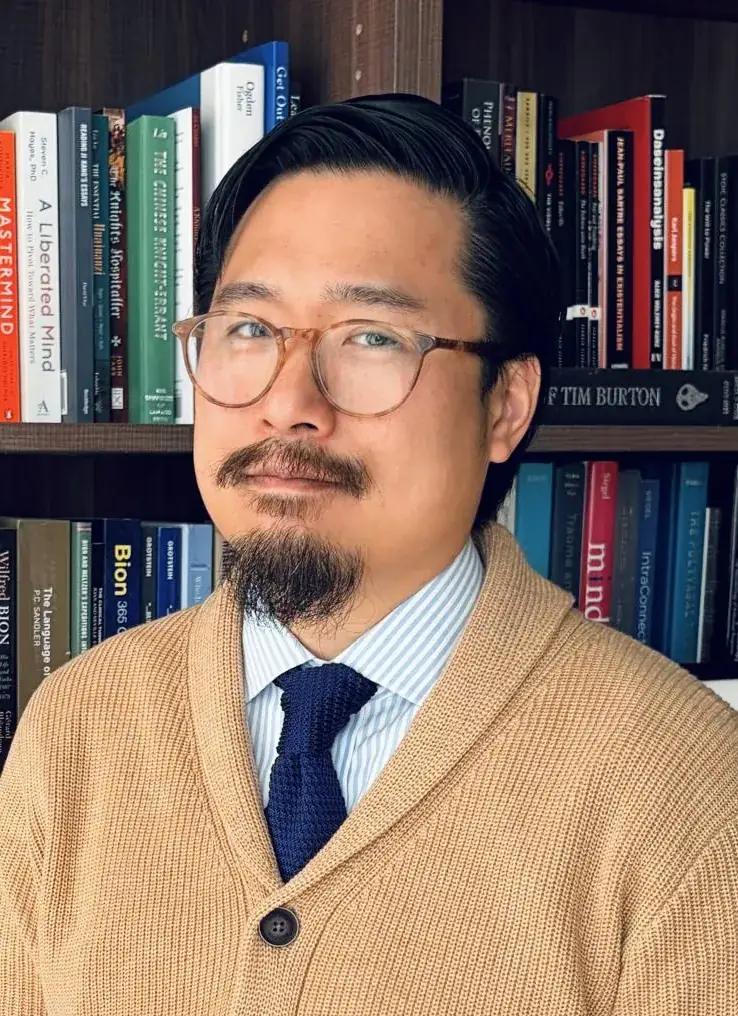
Steve Haberlin, PhD is a researcher, author, and longtime meditator whose work explores the intersection of contemplative practice and emerging technologies. He has been meditating since adolescence and brings decades of personal experience into his academic research on mindfulness, neurofeedback, and technology-assisted mental training.
His work focuses on how tools like EEG-based neurofeedback, virtual reality, and AI can support meditation learning and mental health. He is the author of Meta Meditation for Mental Health, which examines how neuroscience, digital technology, and ancient wisdom traditions are converging to shape the future of meditation.
Haberlin is also a professor at the University of Central Florida, where he studies mindfulness in educational settings and works to make mental training more accessible to a broader audience.
Show Notes
0:00 | Neuroscience, meditation, and real-time feedback
1:23 | Introducing Steve Haberlin
2:46 | Steve's meditation journey and early practice
8:12 | What "meta meditation" means
9:19 | Why most people quit meditation apps
12:28 | What neuroscience reveals about meditation
15:51 | State vs trait change in long-term meditators
18:03 | Can technology shorten the meditation learning curve?
20:52 | What VR adds to meditation practice
23:21 | The rise of AI meditation teachers
27:00 | Using AI to design personalized meditation practices
30:25 | Why personalization matters in meditation
33:26 | Neurofeedback and learning meditation in real time
39:35 | The pitfalls of tech-assisted meditation
46:11 | Balancing traditional meditation with new technology
47:50 | Practical approaches for focus and anxiety
51:07 | Future innovations in meditation technology
54:42 | Balancing ancient wisdom with emerging tools
55:49 | Steve's book and closing reflections