
Mindfulness, Medicine & the Biology of Stress
Episode Overview
In this episode, Dr. Craig Hassed explores the relationship between mindfulness, medicine, and the mind-body connection, showing how meditation can influence not only thoughts and emotions, but also the body at the level of stress physiology, inflammation, and gene expression. Drawing on decades of teaching, clinical experience, and contemplative practice, he explains how mindfulness helps us step out of the mental projections that keep the stress response switched on, and return to what is actually happening in the present moment.
We discuss how chronic stress creates physiological wear and tear, known as allostatic load, and how meditation may help regulate the nervous system, support immune function, and slow biological markers of aging such as telomere shortening. Hassed emphasizes that the aim is not only formal meditation practice, but learning to live more mindfully in daily life, especially when worry, pressure, or emotional reactivity begin to take over.
The conversation also explores compassion, empathy, and burnout. Dr. Hassed explains why empathy can easily become empathic distress, while compassion involves a different neural pattern, one associated with affiliation, positive emotion, and a steadier capacity to help. He also reflects on deeper questions around consciousness, human flourishing, and whether some insights can only become clear through direct contemplative experience.
A practical and deeply reflective look at mindfulness as both a medical tool and a way of understanding ourselves more clearly, with implications for stress, resilience, compassion, performance, and living with greater ease.
About the Guest
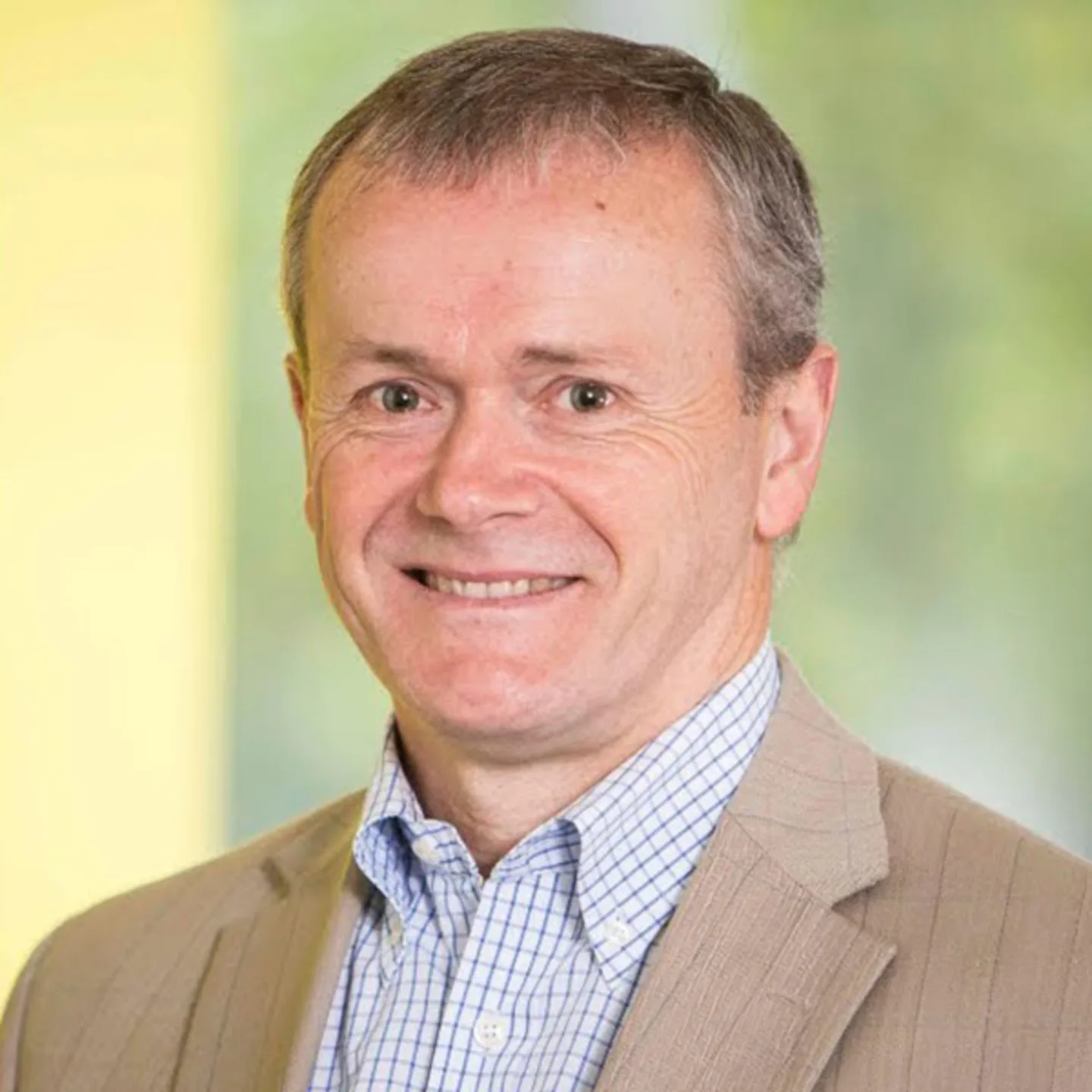
Dr. Craig Hassed is a physician, educator, and mindfulness researcher based in Australia. He has taught at Monash University for more than three decades and has played a leading role in bringing mindfulness, mind-body medicine, and lifestyle-based approaches into medical education.
At Monash, Dr. Hassed helped introduce mindfulness into the medical curriculum, where students learn practical tools for stress management, attention, emotional regulation, and patient care. He is also involved with the Monash Centre for Consciousness and Contemplative Studies, where his work explores mindfulness, compassion, human flourishing, and the relationship between mind, body, and health.
His teaching and research focus on the practical application of mindfulness in medicine, education, chronic illness, performance, resilience, and well-being.
Show Notes
0:00 | Introduction to Dr. Craig Hassed
3:23 | Discovering Meditation Without a Teacher
9:18 | Bringing Mindfulness Into Clinical Medicine
10:21 | Teaching Mindfulness to Medical Students
15:10 | How Chronic Stress Affects the Body
15:56 | Understanding Allostatic Load
20:57 | Epigenetics, Inflammation, and Immune Function
22:42 | Meditation, Telomeres, and Biological Aging
26:17 | How Much Meditation Is Enough?
29:18 | Formal Practice vs. Mindfulness in Daily Life
31:17 | The Growth of Mindfulness Research
36:54 | The ESSENCE Model of Health
38:56 | Choosing the Right Meditation Practice
41:47 | How the Mind Creates Unnecessary Stress
45:21 | Mindfulness, Performance, and Flow States
51:21 | Mindfulness Education and Human Flourishing
52:40 | Technology, Isolation, and Genuine Connection
1:00:43 | Empathy, Empathic Distress, and Compassion
1:01:42 | Why Compassion May Protect Against Burnout
1:06:16 | Is Consciousness More Fundamental Than Matter?
1:07:10 | Can Consciousness Be Scientifically Measured?
1:08:33 | Craig’s Daily Practice and Rapid-Fire Questions
1:09:15 | Final Thoughts