
Nicholas Van Dam, PhD - The Ethics of Meditation
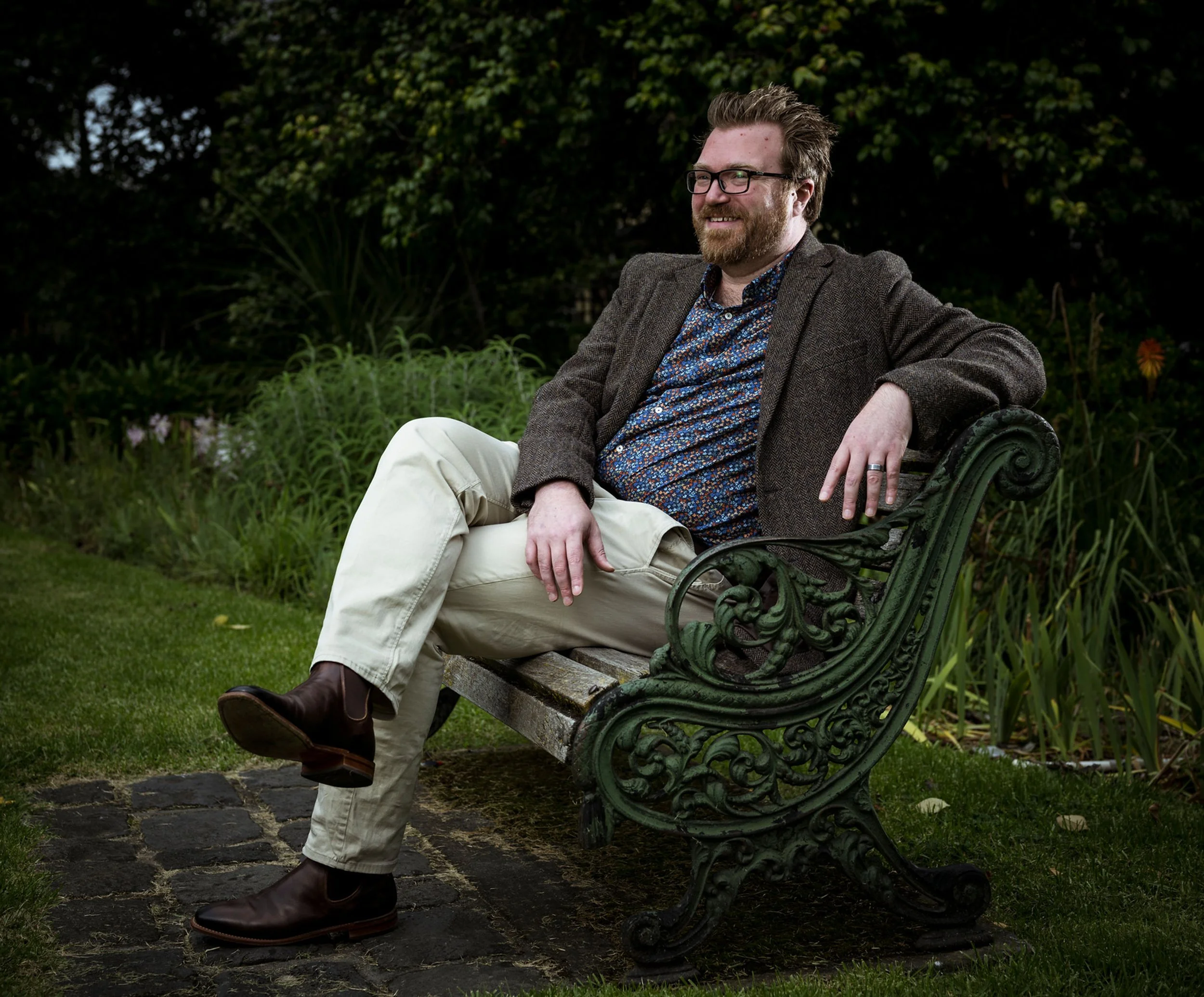
Clinical psychologist Nicholas Van Dam explores the ethics, limits, and lived realities of meditation practice, bridging rigorous research with wisdom traditions to clarify what meditation can and cannot offer for mental well-being.
You can also listen to the episode on Apple Podcasts, Spotify, or any other major podcast platform. Here it is in video format if you prefer:
Episode Overview
Meditation is often framed as simple, calming, and universally beneficial. Dr. Nicholas Van Dam brings a more careful and evidence-based lens to these assumptions. A clinical psychologist and co-founder of the Melbourne Contemplative Studies Centre, his work focuses on how meditation actually unfolds in real-world practice, including its benefits, limits, and ethical considerations.
In this episode, Dr. Van Dam explores core questions shaping the future of contemplative science, such as how much practice is required to see meaningful change, why challenging experiences arise, and what current scientific tools can and cannot reliably measure. Drawing on training in psychology and neuroscience, he discusses the limits of brain-based explanations and the importance of behavioral and experiential data.
The conversation also examines how science and wisdom traditions can work together without losing depth or integrity. Rather than promoting meditation as a universal solution, Dr. Van Dam offers a nuanced perspective on when contemplative practices are helpful, when they may not be, and how they can be responsibly integrated into mental health, education, and society.
P.S. — If you’re serious about starting or deepening your meditation practice, check out the FitMind meditation app.
Nicholas Van Dam, PhD Bio
Dr. Nicholas Van Dam is a clinical psychologist and researcher specializing in contemplative science, mental health, and the ethical study of meditation practices. He is a co-founder of the Melbourne Contemplative Studies Centre, where his work focuses on understanding how contemplative practices function in everyday life, including their benefits, limitations, and potential challenges.
Trained in clinical psychology and neuroscience, Dr. Van Dam has held academic positions in the United States and Australia and has contributed extensively to research on meditation, mindfulness-based interventions, and mental health outcomes. His work is particularly known for examining dose-response relationships in meditation, individual variability in practice effects, and the prevalence and nature of challenging experiences.
In addition to empirical research, Dr. Van Dam advocates for rigor, transparency, and ethical responsibility in contemplative science. He emphasizes informed consent, collaboration with wisdom traditions, and clarity around what scientific methods can and cannot assess. His work seeks to advance a grounded, evidence-based understanding of meditation that respects both scientific inquiry and the depth of contemplative traditions.
Show Notes
0:00 | Science, wisdom traditions, and the modern search for meaning
1:46 | Introducing Nicholas Van Dam and the ethics of contemplative science
3:00 | Early life, religious roots, and the path into meditation research
5:35 | From brain science to real-world mental health impact
7:30 | Building an agnostic contemplative research centre in Australia
13:10 | Ethics, bias, and responsibility in meditation research
17:00 | Translating between science and wisdom traditions
20:45 | How much meditation is enough? What dose-response research shows
26:45 | Challenging meditation experiences and informed consent
33:00 | The “missing middle”: maps, stages, and what comes after beginner programs
40:50 | Equanimity, emotion, and tensions with modern life and values
52:45 | Engagement vs efficacy: why some practices are easier to sustain
1:03:00 | Retreats, daily practice, sleep, and intensity trade-offs
1:13:00 | Neuroplasticity and the limits of brain-based explanations
1:17:15 | Neurofeedback, psychedelics, and the ethics of shortcuts
1:24:15 | Mapping inner experience and the future of contemplative science
1:32:15 | AI, teachers, and scaling wisdom without losing depth
1:38:20 | The future of contemplative science and FitMind’s role
1:45:21 | Where to learn more
Contemplative Studies Centre Website: https://psychologicalsciences.unimelb.edu.au/CSC
Nicholas Van Dam’s Personal Website: https://www.nicholastvandam.com